The nuclear reaction,
n + 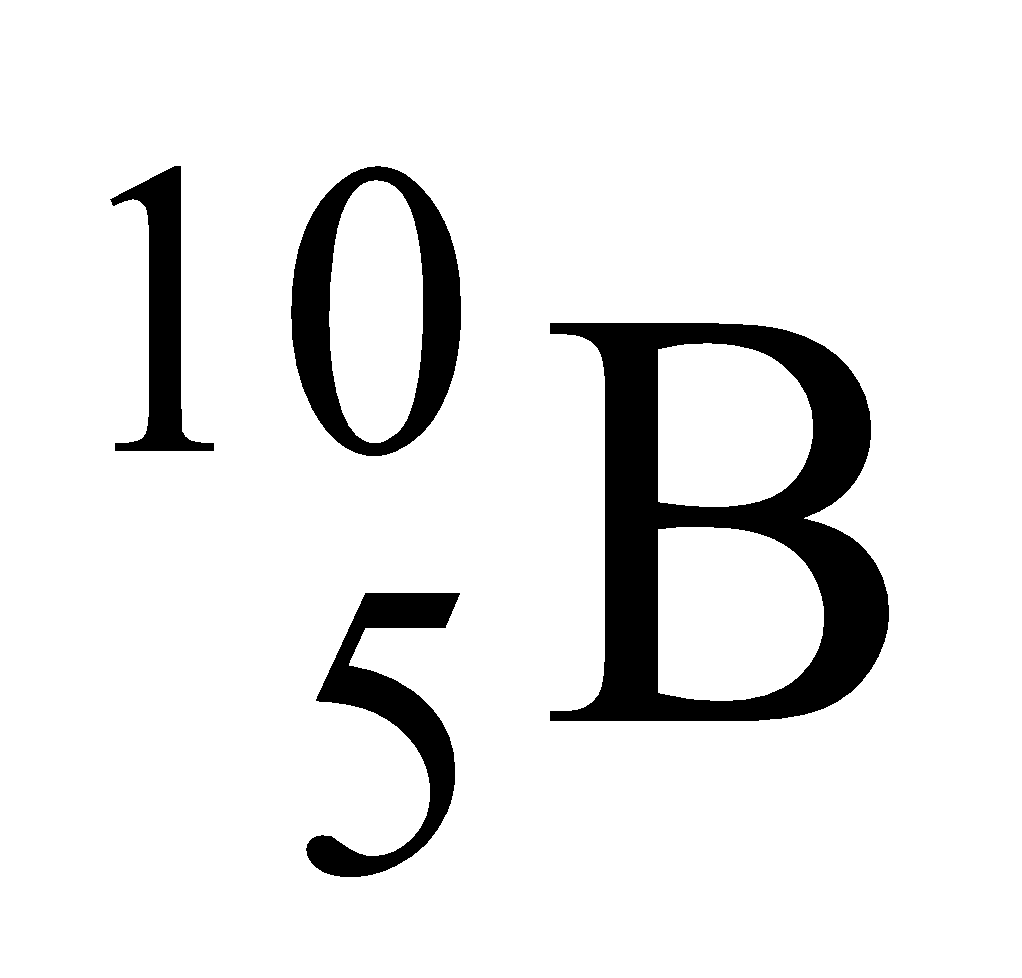 →
→ 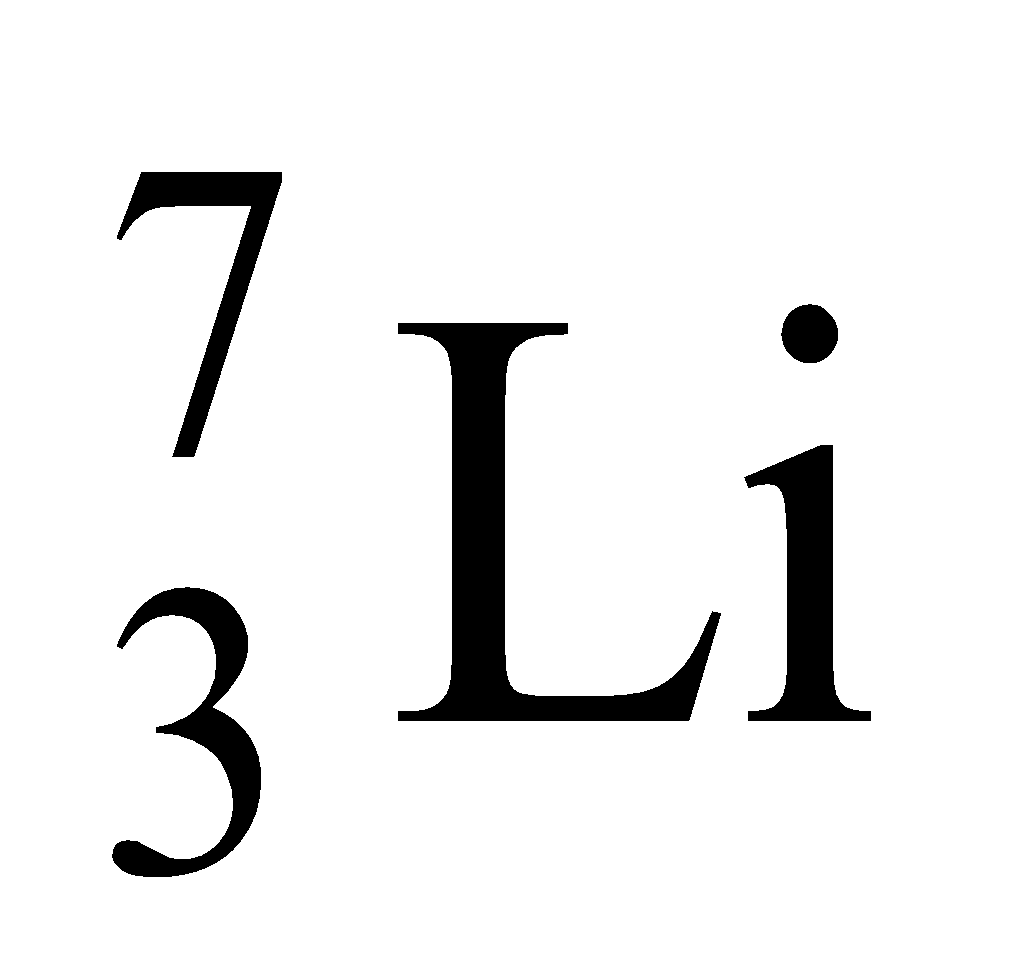 +
+ 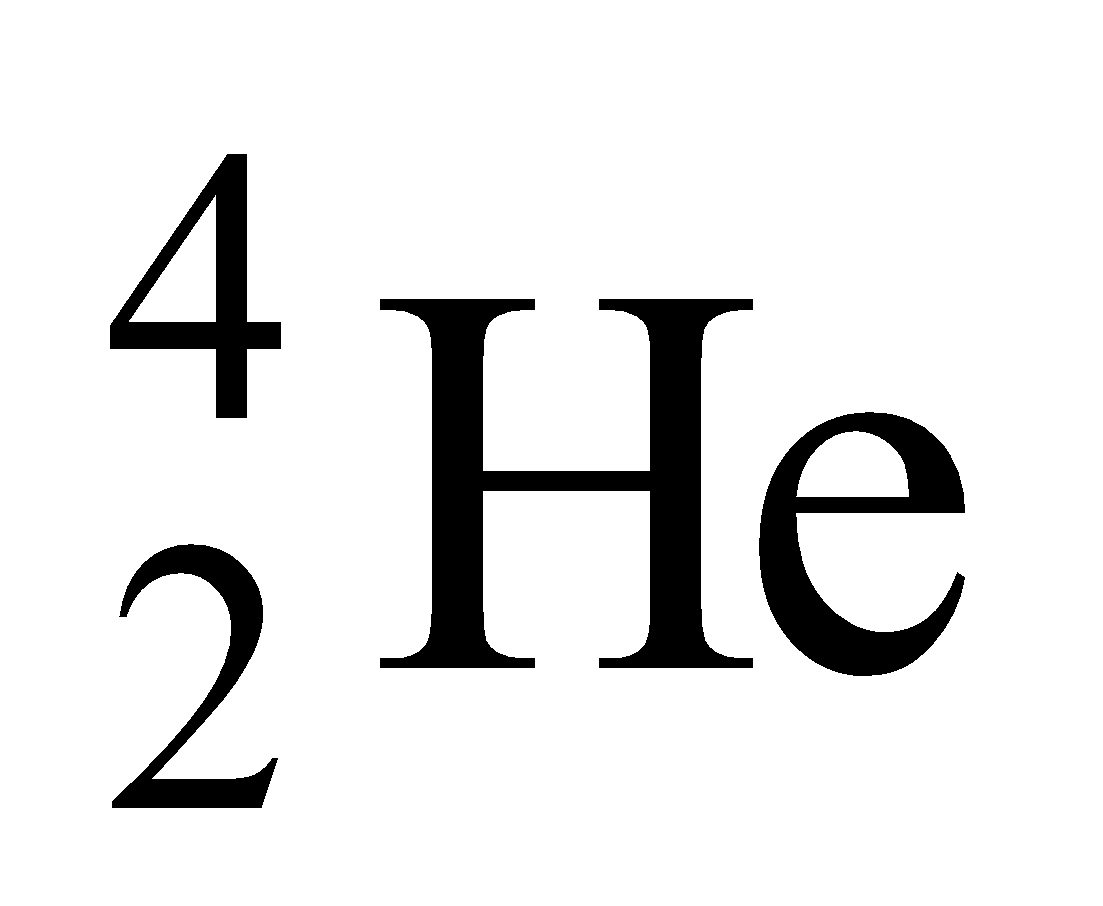
is observed to occur even when very slow-moving neutrons (M n = 1.0087 amu) strike a boron atom at rest. For a particular reaction in which K n = 0, the helium (M He = 4.0026 amu) is observed to have a speed of 9.30 × 10 6 m/s. Determine
Text Solution
Verified by ExpertsCHECK THE SOLUTION.
Sol. Since the neutron and boron are both initially at rest, the total momentum before the reaction is zero and afterward is also zero. Therefore,
M Li v Li = M He v He
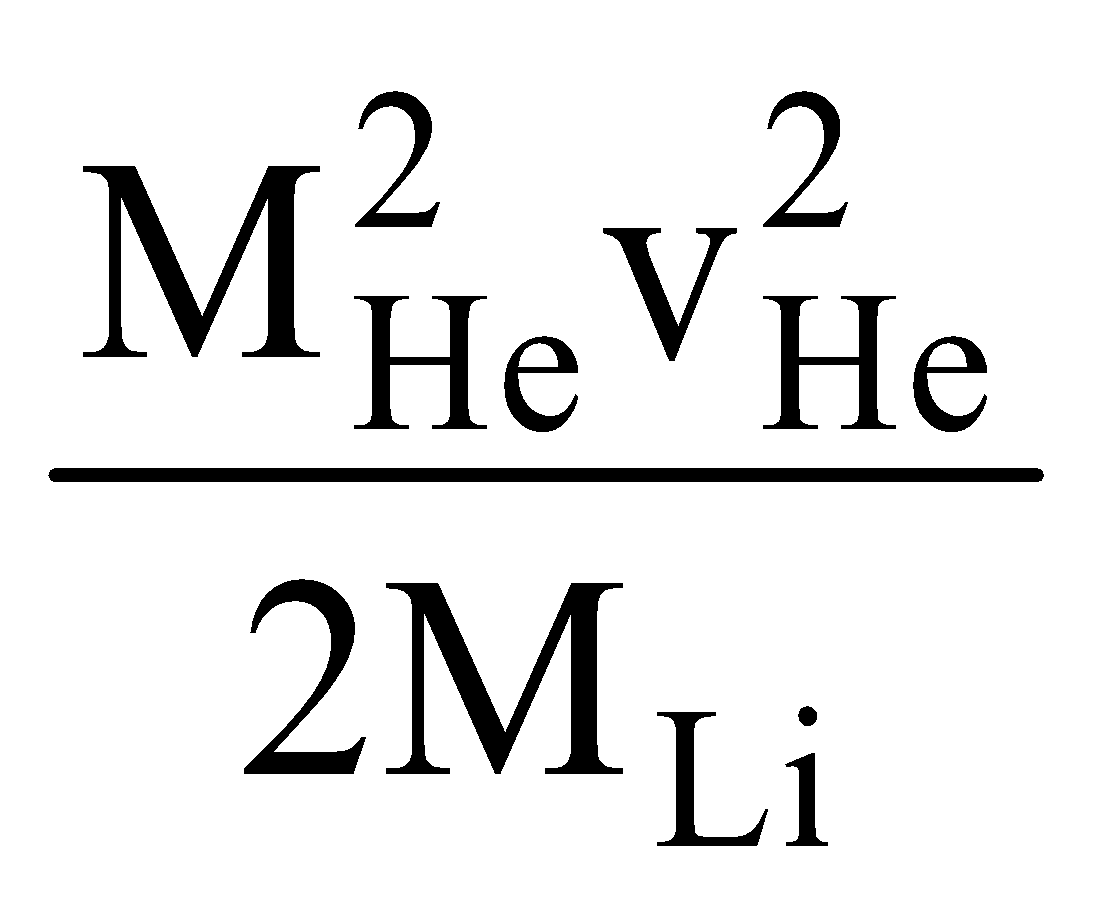
We solve this for v Li and substitute it into the equation for kinetic energy. We can use classical kinetic energy with little error, rather than relativistic formulas, because v He = 9.30 × 10 6 m/s is not close to the speed of light c and v Li will be even less since M Li > M He . Thus we can write :
K Li = 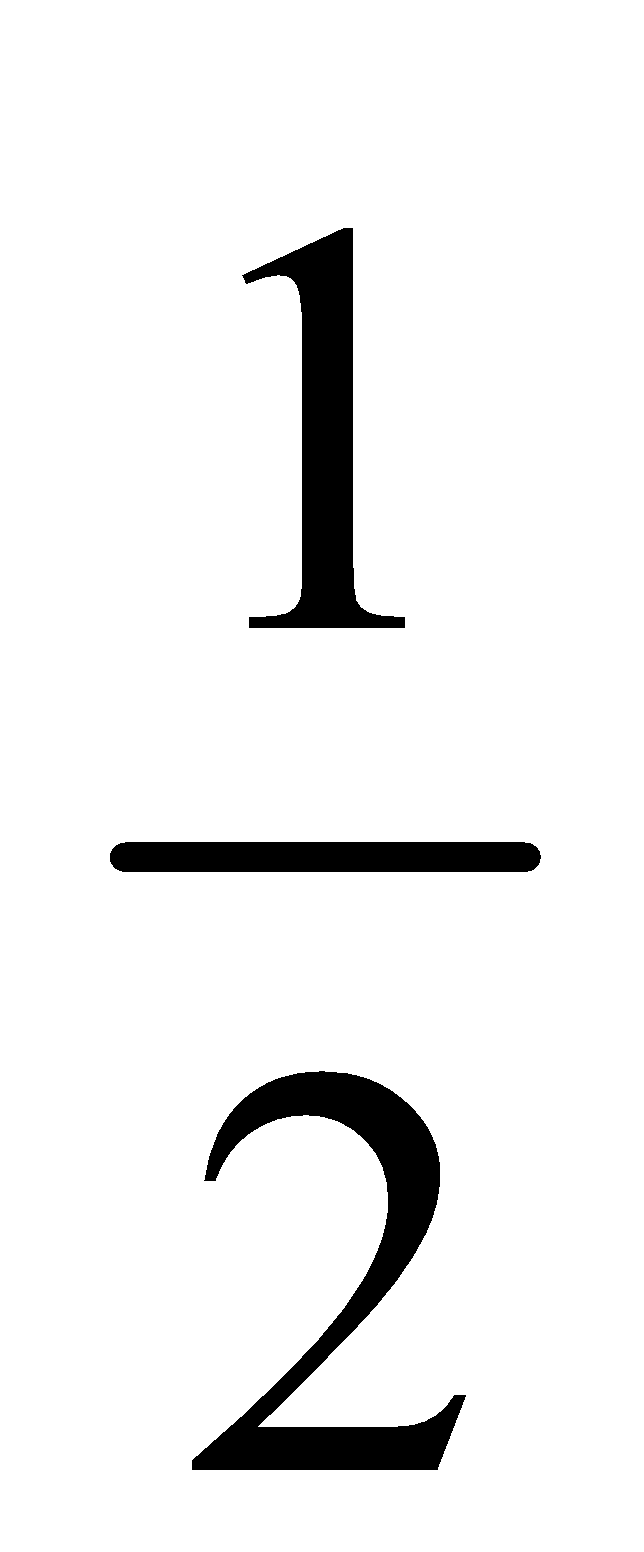 M Li
M Li 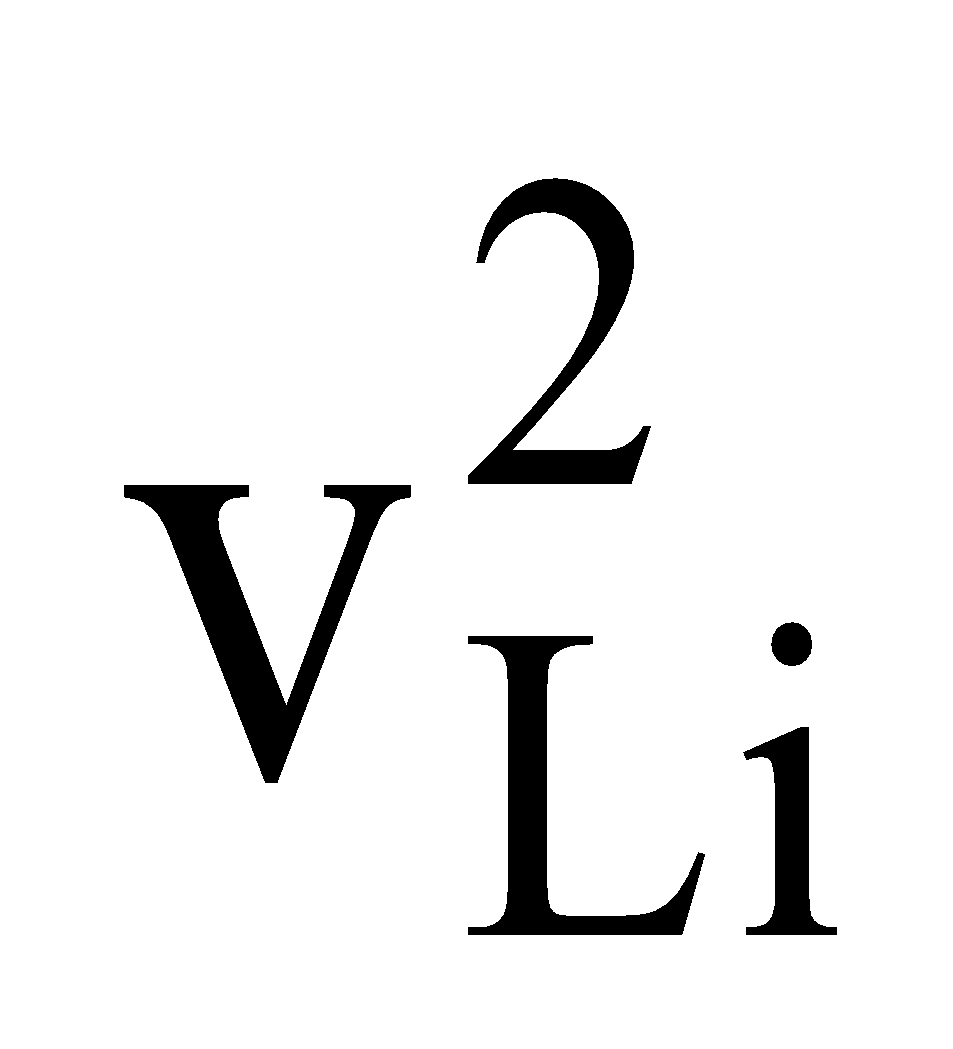 =
= 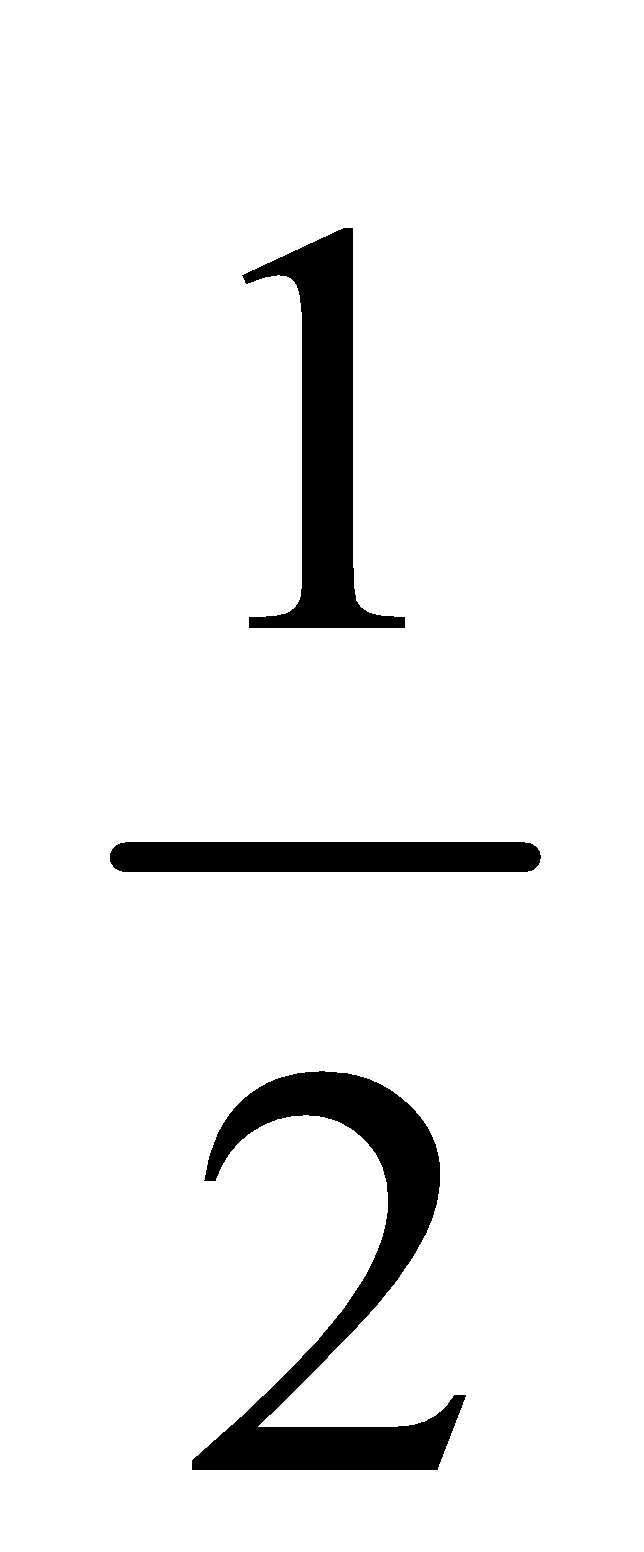 M Li
M Li 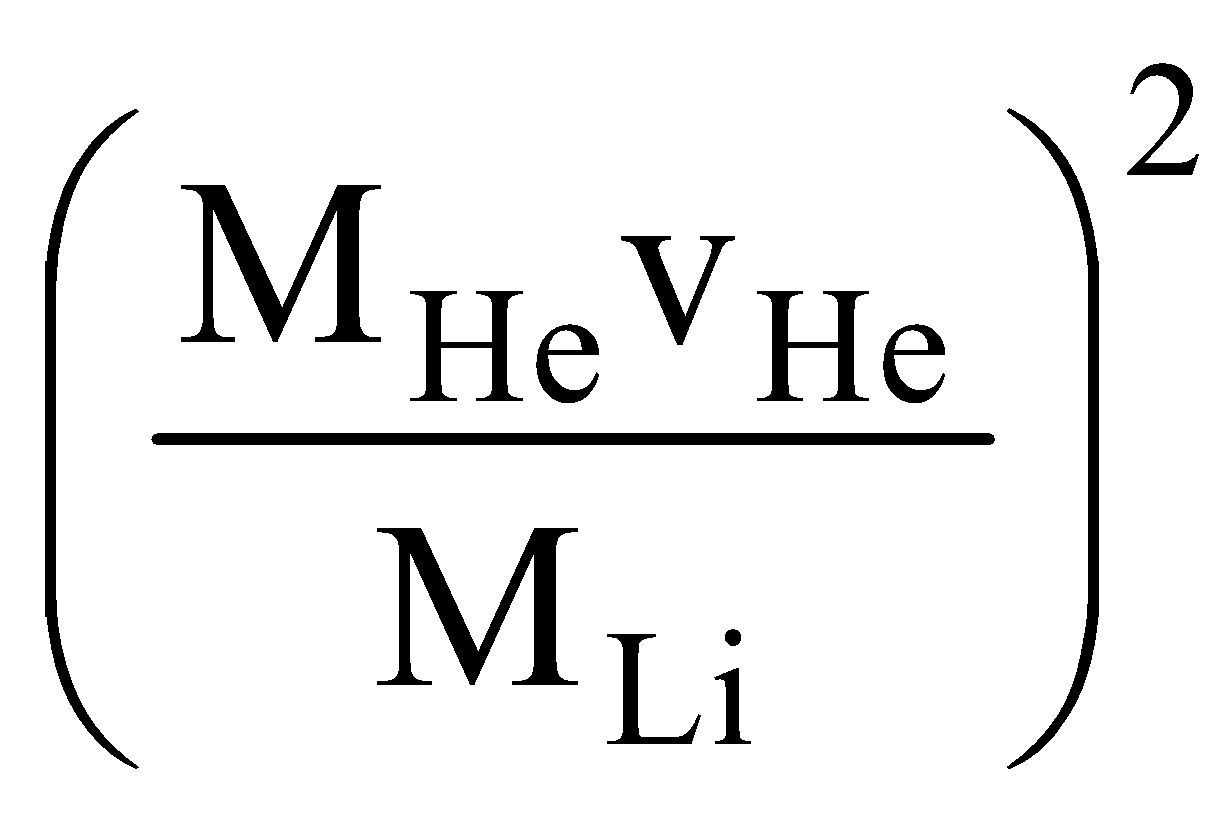 =
= 
We put in numbers, changing the mass in u to kg and recalling that 1.60 × 10 13 J = 1 MeV:
K Li = 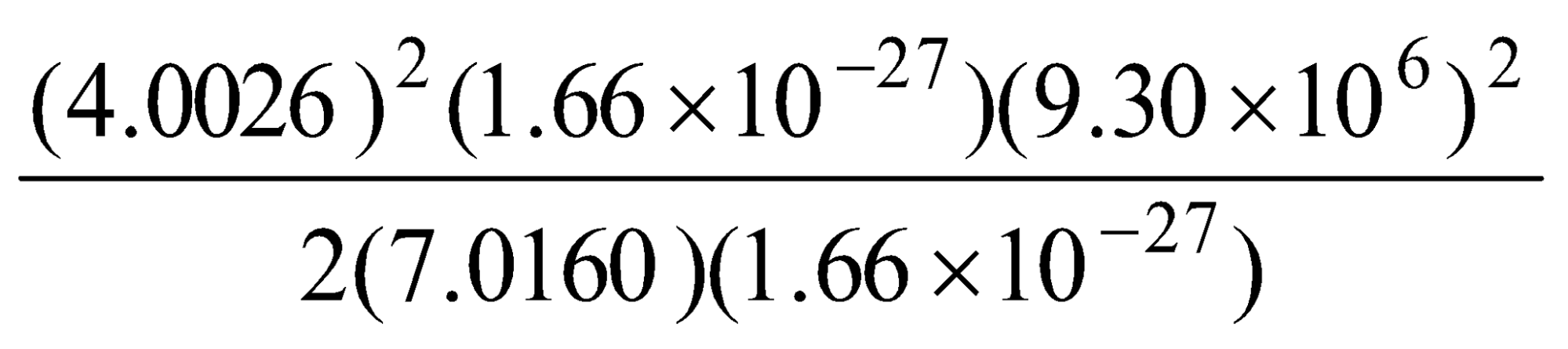
= 1.64 × 10 –13 J = 1.02 MeV
We are given the data K a = K X = 0, so Q = K Li + K He , where
K He = 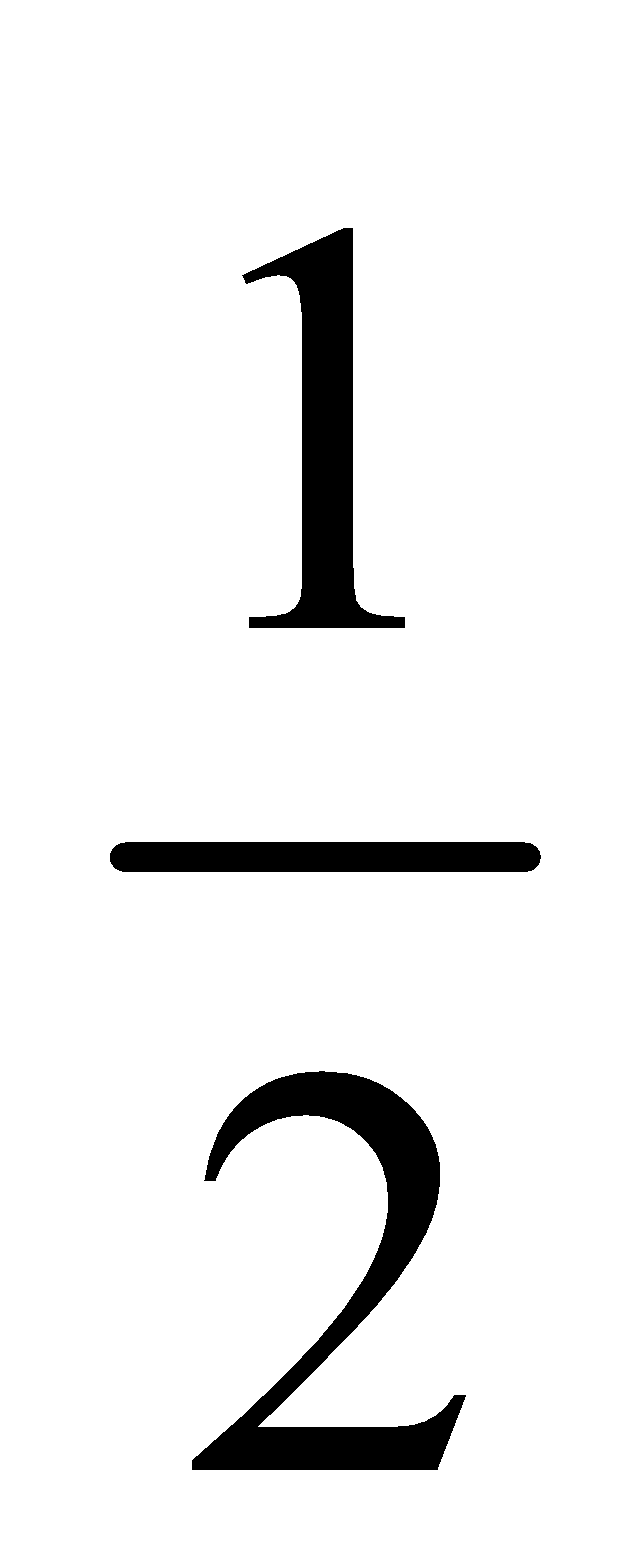 M He
M He 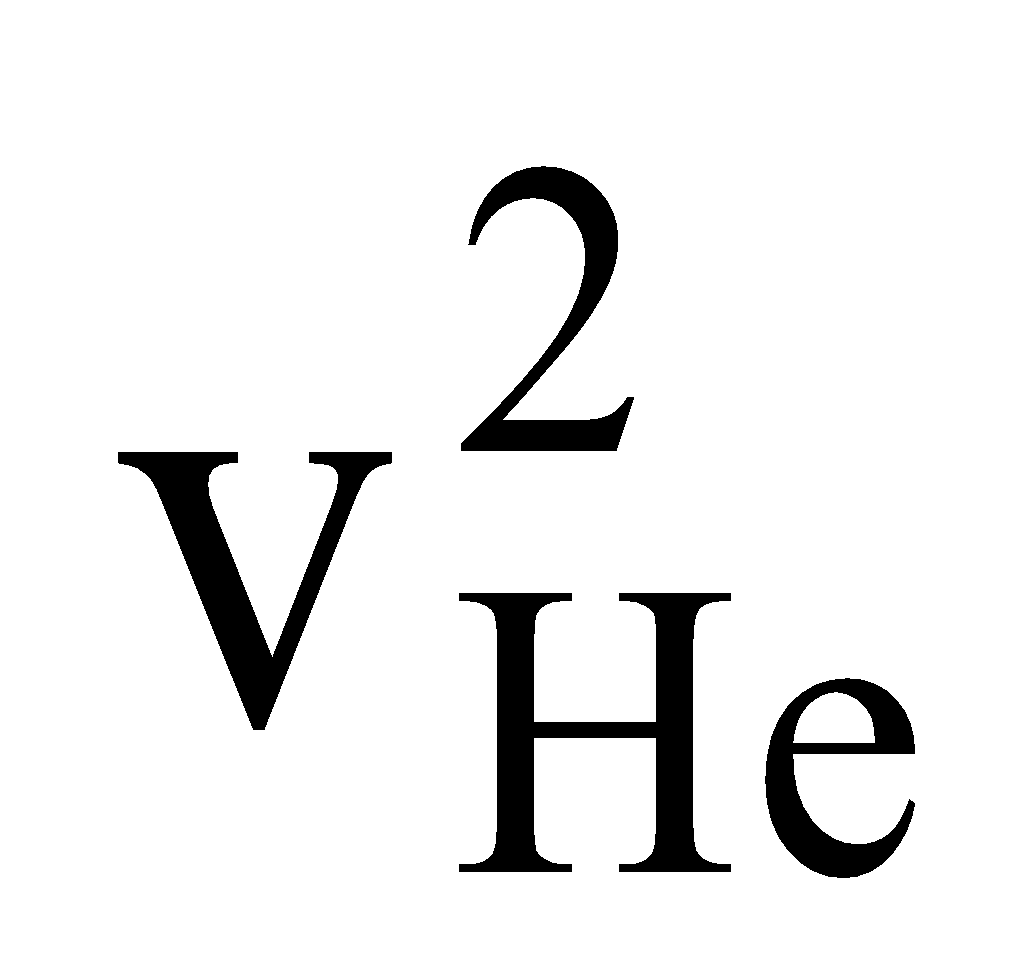 =
= 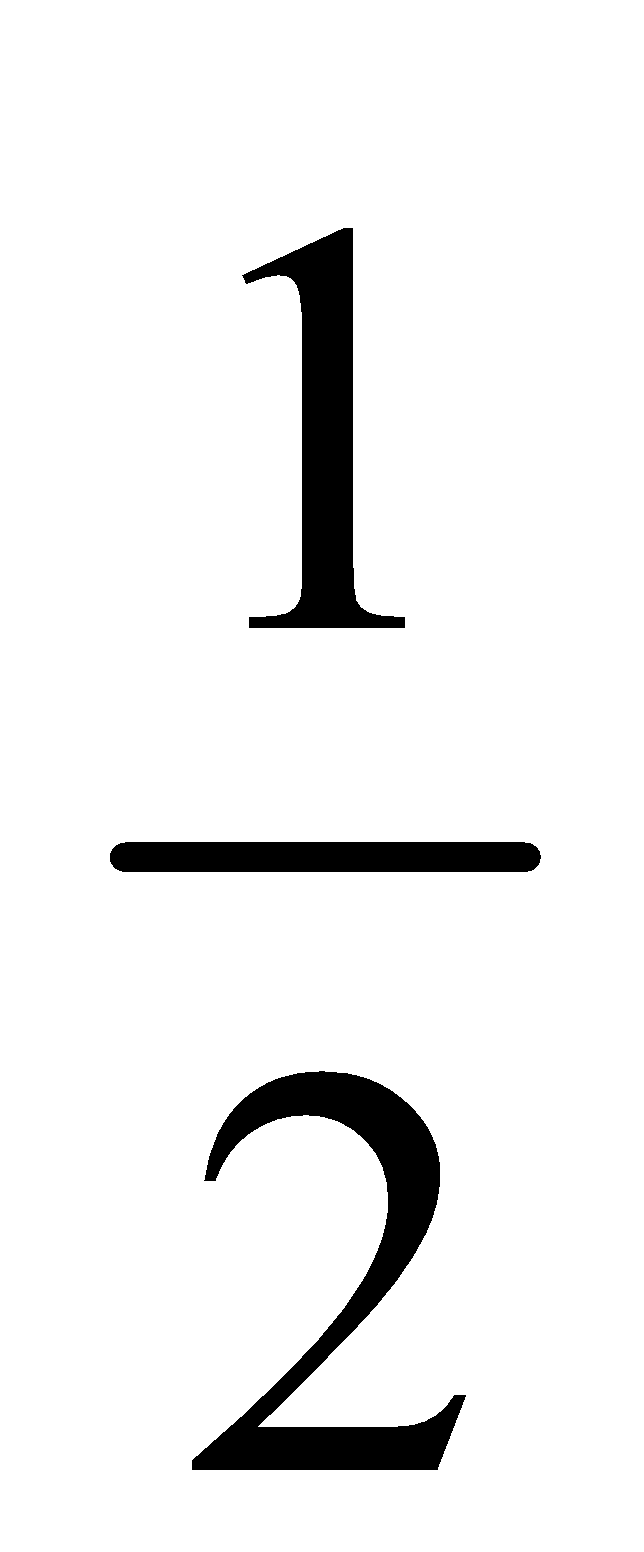 (4.0026)(1.66 × 10 –27 )(9.30 × 10 6 ) 2 = 2.87 × 10
–13 J = 1.80 MeV
Hence, Q = 1.02 MeV + 1.80 MeV = 2.82 MeV.
Prepare Smarter with CGP Edu
Get practice questions, solutions, and test series in one place.
Write a Review
Share your experience with this question and solution.
Commentary
Send your comment, doubt, correction, or feedback to admin.
Similar Questions
Explore conceptually related problems